


February 17, 2026 - National Retail Group
Retail Shop Leasing Mistakes First-Time Business Owners Make
Category :
Share:


Latest News
-
Shop for Lease vs Shop for Sale: Which Is Better for Your Business?
June 30, 2026 - National Retail Group -
Commercial Property Leasing Trends Shaping Australia’s Retail Market
May 7, 2026 - National Retail Group -
Long-Term vs Short-Term Leases: Which Is Better for Your Medical or Retail Business?
April 29, 2026 - National Retail Group -
Medical Clinic and Rooms for Lease: What You Really Need to Know Before Signing
April 23, 2026 - National Retail Group -
What Tenants Ask Most: Top FAQs in Melbourne Commercial Leasing
March 26, 2026 - National Retail Group -
Commercial Real Estate for Lease: Retail vs Office vs Industrial Spaces
February 6, 2026 - National Retail Group -
What Tenants Ask Most: Top FAQs in Melbourne Commercial Leasing
December 9, 2025 - National Retail Group -
South Melbourne’s rare island property sold
November 25, 2025 - National Retail Group -
National Retail Group secures rare South Melbourne island site off-market & below replacement cost
- National Retail Group -
Nigel Satterley Targets $1B Commercial Pipeline: What It Means for Retail & Medical Assets
November 18, 2025 - National Retail Group -
Chemist Warehouse Founders’ $5b Property Push: Retail & Medical Outlook
October 30, 2025 - National Retail Group -
Brisbane CBD Office Market: $19m Acquisition Signals Investor Confidence
- National Retail Group -
Landmark building in Adelaide’s Rundle Mall sold to National Retail Group
October 23, 2025 - National Retail Group -
$150m Rathdowne town centre set for build-start anchored by Coles supermarket
- National Retail Group -
Office Space Leasing Terms Explained: What You Need to Know
September 2, 2025 - National Retail Group -
How a Commercial Buyer Advocate Can Improve Your Investment Portfolio
August 19, 2025 - National Retail Group -
How Asset Management Maximizes Wealth for Private Families
July 31, 2025 - National Retail Group -
Your Guide to Commercial Property Leases
July 9, 2025 - National Retail Group -
Exploring Leasing of Retail Space in Melbourne
May 2, 2025 - National Retail Group -
Securing High-Quality Tenants: Proven Strategies for the Commercial Landlords in Melbourne
April 17, 2025 - National Retail Group -
The Future of Office Space for Lease Melbourne: Trends and Insights
March 19, 2025 - National Retail Group -
25 Lease Terms Every Medical and Retail Tenant Should Know
November 25, 2024 - National Retail Group -
Avoiding Common Landlord Pitfalls with Expert Asset Management
July 18, 2024 - National Retail Group -
Importance of Professional Asset Management: Maximising Your Rental Income
May 29, 2024 - National Retail Group -
The Role of An Asset Manager: What Landlords Should Expect
May 23, 2024 - National Retail Group -
Why Every Landlord Needs a Skilled Asset Manager: Key Benefits Unveiled
May 13, 2024 - National Retail Group -
How to Choose the Right Asset Manager: A Guide for Australian Landlords
May 2, 2024 - National Retail Group -
Aussie mall named one of world’s most expensive shopping strips
January 9, 2024 - National Retail Group -
Commercial Property Renting Checklist 2024
January 1, 2024 - National Retail Group -
Tips for Finding the Perfect Shop for Lease for Your Business
December 7, 2023 - National Retail Group -
The Impact of Location on Your Office Space Rental Decision
November 28, 2023 - National Retail Group -
Bunnings hardware sites hit the market
November 22, 2023 - National Retail Group -
Valmorbida family sell ex-GJ Coles store to Chemist Warehouse executives
November 21, 2023 - National Retail Group -
Opening auction bid leaves other buyers in dust
November 20, 2023 - National Retail Group -
New and improved shopping experience
September 20, 2023 - National Retail Group -
Epsom Village shopping centre overhaul will include big names
July 25, 2023 - National Retail Group -
Crowdfunding aims to raise $3 million towards buying the Tote
March 11, 2023 - National Retail Group -
Former Dimmeys Arcade in Townsville’s CBD to be revitalised after 15 years
March 8, 2023 - National Retail Group -
Country department store sold to Chemist Warehouse interests
February 10, 2023 - National Retail Group -
Amendment to Epsom village plan paves way for intersection upgrade
January 27, 2022 - National Retail Group -
Leasing Commercial Property for Small Business – 4 Factors to Consider
July 17, 2021 - National Retail Group -
FOR LEASE | INNER CITY HQ | PRESTON | STAND ALONE TWO LEVEL BUILDING
July 8, 2021 - National Retail Group -
AWH confirms location of upcoming COVID-19 vaccination clinic in Wodonga
June 2, 2021 - National Retail Group -
The mega makeover coming for the city
May 27, 2021 - National Retail Group -
The Commons – An exciting new retail precinct in the heart of Townsville
April 30, 2021 - National Retail Group -
Professional Office For Lease In Werribee Now Available
March 16, 2021 - National Retail Group -
11 Things to Consider Before Leasing Commercial Property
February 22, 2021 - National Retail Group -
Ten Questions To Ask Before You Sign Commercial Property Lease
January 23, 2021 - National Retail Group -
Landlords are not the enemy
April 2, 2020 - National Retail Group -
5 reasons to Lease next to Chemist Warehouse and create powerhouse traffic generation for your business!
March 16, 2020 - National Retail Group
Categories
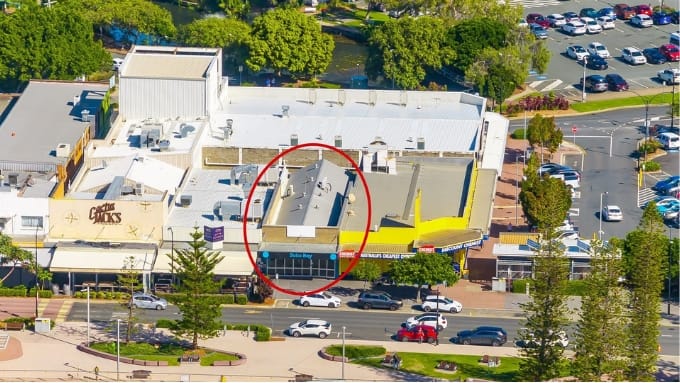
Starting your first retail business is exciting. You’ve got a brilliant idea, you’re ready to take on the world, and you’ve found what looks like the perfect retail shop for lease to bring your vision to life. But before you sign on that dotted line, let’s have a chat about the common mistakes that trip up first-time business owners when leasing retail space.
At NRG, we’ve seen it all over the years – from businesses thriving in perfectly matched spaces to others struggling because they rushed into the wrong lease. The good news? Most of these mistakes are entirely avoidable when you know what to look out for. So grab a coffee, and let’s walk through what you need to know.
Looking Only at the Base Rent
Here’s the thing that catches most first-timers: the advertised retail shop rent is just the starting point. When you’re comparing different properties, it’s tempting to go for the one with the lowest monthly rent. Fair enough – keeping costs down is crucial when you’re just getting started. But the reality is, base rent is only one piece of the puzzle.
What you actually need to calculate is your total occupancy cost. This includes outgoings like council rates, water charges, strata fees, building insurance, cleaning, repairs, and maintenance. In shopping centres, you’ll likely have marketing levies to contribute to as well – usually around 3-5% of your rent. These can add up to thousands of dollars each year.
Then there’s your fit-out. That bargain-priced shop might need $50,000 worth of work before you can open your doors, while a slightly pricier option might be practically ready to go. When you add it all up, the “expensive” shop might actually be the better deal. Always ask for a full breakdown of all costs upfront and factor in your fit-out budget before making any decisions.
Choosing Location Based on Affordability Alone
We get it – when you’re watching every dollar, a cheaper suburb sounds appealing. But here’s where many first-time retailers come unstuck: they prioritise low rent over strategic location.
When you’re looking for a retail shop for lease in Melbourne, location isn’t just about prestige. It’s about foot traffic, demographics, accessibility, and visibility. That shop in a quiet side street might be affordable, but if your target customers never walk past it, you’ll struggle to make sales.
Think about your specific business. If you’re opening a boutique selling premium homewares, you want to be where your customers already are – perhaps in South Yarra, Armadale, or around the laneways of the CBD. If you’re launching an affordable lunch spot, you need to be near offices with hungry workers. A family-focused business? Look for locations near schools, parks, and residential areas.
Also consider transport links. Is there convenient public transport? What about parking? In Melbourne’s inner suburbs, being near a tram stop or train station can make or break a retail business. Your customers need to be able to reach you easily, and so do your staff.
Not Researching the Area Thoroughly
Speaking of location, here’s another trap: falling in love with a space without doing your homework on the surrounding area.
Before committing to any retail property, spend time in the neighbourhood. Visit at different times of day and on different days of the week. Who’s walking past? What kind of foot traffic does the area get? What other businesses are nearby, and are they complementary or competing?
Check out your potential neighbours. Are there established businesses drawing customers to the area? Being next to a Chemist Warehouse or Woolworths can be brilliant for foot traffic. But being three doors down from a direct competitor might not be ideal – unless you’ve got a clear point of difference.
Also, think about the area’s trajectory. Is it up-and-coming, stable, or declining? Some new infrastructure projects, such as the Metro Tunnel, can completely change an area’s appeal. Property management firms, like NRG, are in a position to offer valuable insight into local market dynamics and what’s up ahead that may impact your business.
Signing Without Professional Legal Review
This is probably the biggest mistake we see, and it’s completely understandable why it happens. Legal fees feel like an unnecessary expense when you’re already stretching your budget. However, here is the truth: A commercial lease arrangement is a complicated document that can end up costing you hundreds of thousands of dollars.
In the Victorian context, the legislation that governs the retail lease is the Retail Leases Act 2003. There are some provisions in this act that protect tenants. However, there are clauses in the lease agreement that can affect your business significantly if you do not have a proper interpretation of these clauses.
For example, rent escalation clauses will specify by how much your rent will increase each year. There can be fixed percentage increases, increases tied to CPI, and even market review provisions. Without understanding these terms and concepts, you can be caught off guard by rent increases and put undue pressure on your business.
Of course, then there are clauses around things like maintenance obligations, use restrictions, right of assignment, and reinstatement obligations when you leave. Get these wrong, and you can be looking at expensive surprises further down the line.
It is essential that your lease is reviewed by a lawyer or expert property consultant before you sign. It’s not a luxury, it’s a necessary protection for your business. They’ll highlight issues you’d never see and can often negotiate a better deal on your behalf.
Underestimating Space Requirements
First-timers often either take too much space or too little. Both mistakes are expensive.
Lease too much, and you’re paying rent on empty floor space you don’t need. That’s money that could be going towards stock, marketing, or building up your cash reserves. Lease too little, and you’ll quickly find yourself cramped, unable to display products properly, or store inventory adequately.
Think carefully about your needs. How much space do you need for customer areas? What about storage? If you’re in hospitality, what’s your kitchen and prep area requirement? And importantly, where do you see your business in two or three years? A good lease term is usually 3–5 years, so you need to plan for growth.
This is where professional space planning really helps. Property advisors can help you determine the ideal floor area based on your business type, expected turnover, and future expansion plans. Advisors can assist you in learning various types of shop arrangements and layouts.
Ignoring Lease Duration and Renewal Options
Many first-time business owners fail to think through lease periods and renewal provisions sufficiently. They’re just focused on getting started.
But here’s the thing: if you’re investing $50,000 or more in fitting out a shop, you want a lease long enough to recoup that investment. A one or two-year lease might not give you enough time to establish your business and see a return. On the other hand, signing a very long lease term when you are not sure about your location may not be wise.
Typically, retail leases anywhere in Melbourne have an agreement period between 3 and 5 years with renewal options. Renewal is an essential factor in a retail lease. It offers you, as a tenant, the option – but not the obligation – to extend a lease, thus ensuring security if your business is performing well.
Also, watch for notice requirements. Perhaps you want the right to renew your lease, and you will need to notify the landlord 6 months before the lease term ends. Miss that deadline, and you could lose your option entirely, forcing you to renegotiate from scratch or relocate.
Not Understanding Outgoings and Hidden Costs
We touched on this earlier, but it’s worth emphasising because it’s such a common source of disputes and financial pressure.
In Victoria, landlords are required to provide an annual statement of outgoings. But many first-time tenants don’t properly understand what they’re actually paying for or whether the charges are reasonable.
Some landlords might try to pass on capital costs or improvements that should be their responsibility. Others might not provide adequate substantiation for outgoing charges. The Retail Leases Act does provide some protection here – landlords can only recover certain outgoings from retail tenants – but you need to know your rights.
Before signing, ask for last year’s outgoings statement so you can see what the actual costs have been. Factor these into your budgeting. If the numbers seem high or unclear, don’t be afraid to ask questions or seek advice.
Failing to Negotiate Lease Terms
Here’s something many first-timers don’t realise: commercial leases are negotiable. Yes, even in a tight market.
Depending on market conditions, vacancy rates, and how long a property has been sitting empty, landlords are often willing to negotiate on rent, fit-out contributions, rent-free periods, and other terms.
For example, you might negotiate a rent-free period while you fit out and prepare for opening. This can save you tens of thousands of dollars. You might negotiate make-good requirements to reduce your liability when you eventually leave. You might get the landlord to contribute to certain fit-out elements.
But here’s the catch: if you don’t ask, you don’t get. And if you don’t understand market conditions and comparable rents, you won’t know what to ask for. This is another area where professional advice really pays off. Experienced property experts understand the market. They understand what you should ask for and will be able to negotiate the deal for you.
Overlooking Building Quality and Infrastructure
It’s rather easy, when viewing retail outlets available for lease, to concentrate on the shop front and interior space without considering the entire condition and infrastructure of the building itself.
But these things matter enormously to your day-to-day operations. Is the electrical system adequate for your needs? What about HVAC – will you be sweltering in summer or freezing in winter? Are there sufficient power points, or will you require expensive electrical work?
Consider your security when holding valuable stock. What about loading areas and access for deliveries? If you are in a centre or complex, are the common areas well-maintained? Are lifts and amenities in good condition?
Buildings with professional facility management are normally better taken care of, and this contributes to a more comfortable environment for the business people and their customers alike. When issues arise – and they will – responsive building management makes all the difference.
Not Planning for Future Growth or Exit
Finally, many first-time business owners are so focused on getting started that they don’t think about what happens next.
What if your business takes off and you need more space? What if you want to open a second location? What if things don’t work out and you need to exit the lease early?
Understanding your rights around assignment (transferring the lease to someone else) and subletting is crucial. Some leases make it easy to exit if things don’t work out; others lock you in tightly. Know what you’re committing to.
Similarly, understand your reinstatement obligations. Will you need to return the property to its original condition when you leave? This could cost thousands or even tens of thousands of dollars, so it needs to be factored into your planning.
Getting It Right From the Start
Leasing a retail space is one of the biggest decisions you’ll make as a new business owner. If you get it right, you’re essentially positioning yourself to achieve success. But if you get it wrong, you run the risk of being stuck in an unbeneficial and overpriced lease for years to come.
The trick here is to take your time, do your research, and get advice from a professional. It’s going to cost you a little bit in the short term, but what’s a minuscule investment if it means you get it right rather than wrong?
At NRG, we specialise in helping businesses identify the best available retail space for their business and negotiating leases to suit their individual needs. Whether you’re looking for your first shop or an expanding business, working with experienced property professionals can help save you time, money, and a huge amount of stress.
Therefore, before signing that lease, be sure you are entering those negotiations with your eyes wide open. Your future self will thank you for that.
FAQs
What are the things I need to look out for before leasing a retail shop in Melbourne?
Check the total cost of occupying the premises, including outgoings. Understand your fit-out requirements, confirm the location’s foot traffic, carefully review the contract, ensure the infrastructure of the building meets your requirements, and most importantly, consult a legal expert prior to signing the contract.
Briefly explain how the rent of a retail shop is calculated in Australia.
This is usually done per square meter per year, which is subsequently divided into monthly instalments. For example, $500/sqm annually on a 100sqm shop equals $50,000 per year or roughly $4,167 monthly. Some landlords quote weekly rates instead.
Are outgoings included in retail shop rent?
Usually not. The advertised rent is typically just the base rent. Outgoings such as council rates, water, insurance, strata fees, and maintenance are incurred separately. It is essential to always request figures on last year’s outgoings.
What is the length of the lease term for a retail shop for lease?
Most retail leasing agreements usually have a fixed period of 3–5 years, with a provision for renewal for further periods. This gives you enough time to establish your business and recoup your fit-out investment while providing some flexibility for the future.
Is retail shop rent open to negotiation in Melbourne?
Absolutely! In fact, items like rent, fit-out contributions, free rent periods, and so forth can all be negotiated. Just put the question to the potential landlord. They will expect you to ask. Professional advisors can help you negotiate effectively.
What hidden costs come with a retail shop lease?
Beyond base rent, watch for outgoings, marketing levies (in centres), fit-out costs, legal fees, make-good obligations at lease end, utility connections, business licenses, and potentially higher insurance premiums. Always budget for these extras upfront.
Do you need to hire a commercial property agent to assist you in finding retail shop space for lease?
Although it is not mandatory, it is highly recommended because they will know the prevailing rate, help send in offers that are competitive, and know about any unfavourable clauses within a contract, thereby saving you time in searching, as they could potentially save you more than they cost.
What is the difference between gross and net retail shop rent?
In gross rent, all the outgoings are paid in one go, whereas in a net rental arrangement, only the base rent is payable, and all the outgoings are settled separately. Net rental is more common in Australia.
- RETURN TO NEWS
-
Commercial Property Leasing Trends Shaping Australia’s Retail Market
Next
