


April 23, 2026 - National Retail Group
Medical Clinic and Rooms for Lease: What You Really Need to Know Before Signing
Category : Medical
Share:


Latest News
-
Shop for Lease vs Shop for Sale: Which Is Better for Your Business?
June 30, 2026 - National Retail Group -
Commercial Property Leasing Trends Shaping Australia’s Retail Market
May 7, 2026 - National Retail Group -
Long-Term vs Short-Term Leases: Which Is Better for Your Medical or Retail Business?
April 29, 2026 - National Retail Group -
What Tenants Ask Most: Top FAQs in Melbourne Commercial Leasing
March 26, 2026 - National Retail Group -
Retail Shop Leasing Mistakes First-Time Business Owners Make
February 17, 2026 - National Retail Group -
Commercial Real Estate for Lease: Retail vs Office vs Industrial Spaces
February 6, 2026 - National Retail Group -
What Tenants Ask Most: Top FAQs in Melbourne Commercial Leasing
December 9, 2025 - National Retail Group -
South Melbourne’s rare island property sold
November 25, 2025 - National Retail Group -
National Retail Group secures rare South Melbourne island site off-market & below replacement cost
- National Retail Group -
Nigel Satterley Targets $1B Commercial Pipeline: What It Means for Retail & Medical Assets
November 18, 2025 - National Retail Group -
Chemist Warehouse Founders’ $5b Property Push: Retail & Medical Outlook
October 30, 2025 - National Retail Group -
Brisbane CBD Office Market: $19m Acquisition Signals Investor Confidence
- National Retail Group -
Landmark building in Adelaide’s Rundle Mall sold to National Retail Group
October 23, 2025 - National Retail Group -
$150m Rathdowne town centre set for build-start anchored by Coles supermarket
- National Retail Group -
Office Space Leasing Terms Explained: What You Need to Know
September 2, 2025 - National Retail Group -
How a Commercial Buyer Advocate Can Improve Your Investment Portfolio
August 19, 2025 - National Retail Group -
How Asset Management Maximizes Wealth for Private Families
July 31, 2025 - National Retail Group -
Your Guide to Commercial Property Leases
July 9, 2025 - National Retail Group -
Exploring Leasing of Retail Space in Melbourne
May 2, 2025 - National Retail Group -
Securing High-Quality Tenants: Proven Strategies for the Commercial Landlords in Melbourne
April 17, 2025 - National Retail Group -
The Future of Office Space for Lease Melbourne: Trends and Insights
March 19, 2025 - National Retail Group -
25 Lease Terms Every Medical and Retail Tenant Should Know
November 25, 2024 - National Retail Group -
Avoiding Common Landlord Pitfalls with Expert Asset Management
July 18, 2024 - National Retail Group -
Importance of Professional Asset Management: Maximising Your Rental Income
May 29, 2024 - National Retail Group -
The Role of An Asset Manager: What Landlords Should Expect
May 23, 2024 - National Retail Group -
Why Every Landlord Needs a Skilled Asset Manager: Key Benefits Unveiled
May 13, 2024 - National Retail Group -
How to Choose the Right Asset Manager: A Guide for Australian Landlords
May 2, 2024 - National Retail Group -
Aussie mall named one of world’s most expensive shopping strips
January 9, 2024 - National Retail Group -
Commercial Property Renting Checklist 2024
January 1, 2024 - National Retail Group -
Tips for Finding the Perfect Shop for Lease for Your Business
December 7, 2023 - National Retail Group -
The Impact of Location on Your Office Space Rental Decision
November 28, 2023 - National Retail Group -
Bunnings hardware sites hit the market
November 22, 2023 - National Retail Group -
Valmorbida family sell ex-GJ Coles store to Chemist Warehouse executives
November 21, 2023 - National Retail Group -
Opening auction bid leaves other buyers in dust
November 20, 2023 - National Retail Group -
New and improved shopping experience
September 20, 2023 - National Retail Group -
Epsom Village shopping centre overhaul will include big names
July 25, 2023 - National Retail Group -
Crowdfunding aims to raise $3 million towards buying the Tote
March 11, 2023 - National Retail Group -
Former Dimmeys Arcade in Townsville’s CBD to be revitalised after 15 years
March 8, 2023 - National Retail Group -
Country department store sold to Chemist Warehouse interests
February 10, 2023 - National Retail Group -
Amendment to Epsom village plan paves way for intersection upgrade
January 27, 2022 - National Retail Group -
Leasing Commercial Property for Small Business – 4 Factors to Consider
July 17, 2021 - National Retail Group -
FOR LEASE | INNER CITY HQ | PRESTON | STAND ALONE TWO LEVEL BUILDING
July 8, 2021 - National Retail Group -
AWH confirms location of upcoming COVID-19 vaccination clinic in Wodonga
June 2, 2021 - National Retail Group -
The mega makeover coming for the city
May 27, 2021 - National Retail Group -
The Commons – An exciting new retail precinct in the heart of Townsville
April 30, 2021 - National Retail Group -
Professional Office For Lease In Werribee Now Available
March 16, 2021 - National Retail Group -
11 Things to Consider Before Leasing Commercial Property
February 22, 2021 - National Retail Group -
Ten Questions To Ask Before You Sign Commercial Property Lease
January 23, 2021 - National Retail Group -
Landlords are not the enemy
April 2, 2020 - National Retail Group -
5 reasons to Lease next to Chemist Warehouse and create powerhouse traffic generation for your business!
March 16, 2020 - National Retail Group
Categories
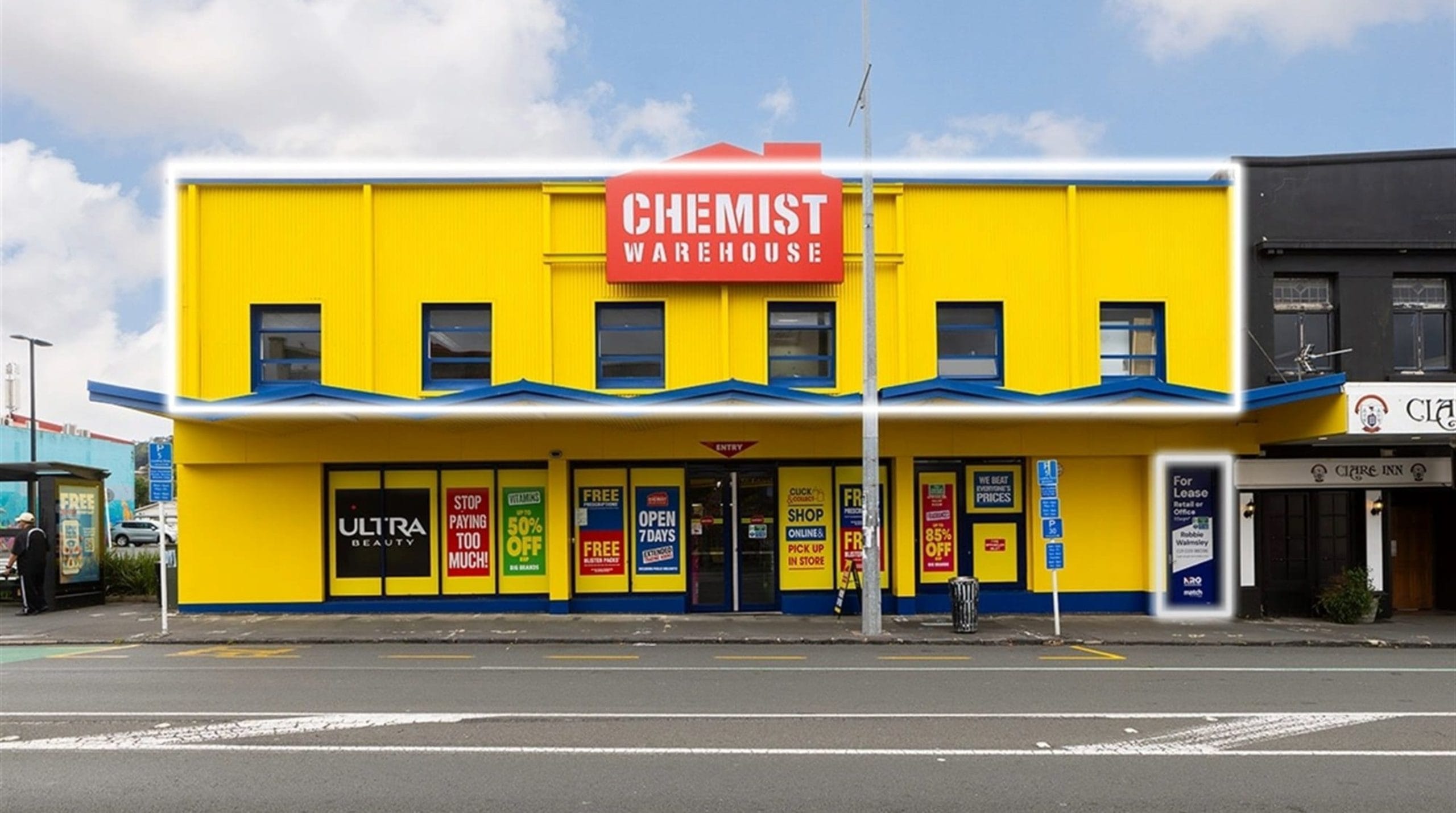
So, you are on the hunt for a medical clinic or a medical room for lease. Maybe you are a GP looking to branch out on your own, a medical specialist ready to set up shop, or an allied healthcare provider wanting a permanent base. Whatever the situation, one thing is for certain – finding the right medical space is a very different challenge from renting a regular office.
At NRG Property, we have been helping healthcare professionals navigate medical real estate across Australia and internationally for more than 20 years. We have seen what works, what costs people more money, and what keeps clinics humming along for the long haul. Here is the honest guide we wish more tenants had before they signed on the dotted line for a medical clinic or a medical room.
Key Factors for Selecting a Medical-Clinic Ready Property
First things first – not every property that is listed as a medical clinic or medical rooms for lease is actually ready for clinical use. Some landlords will slap a healthcare label on a space that hasn’t seen a consultation room in decades. Others have genuinely well-fitted properties that can save you a small fortune on your fit-out.
When you are evaluating a property, ask whether it has been previously used for healthcare. If it has, check whether the existing layout – consult rooms, waiting area, nurse stations – actually suits your practice model. A good starting point is thinking about your patients: Can they find the place easily? Is there enough parking? Does the entry feel welcoming or a bit grim? First impressions count in healthcare just as much as anywhere else.
Zoning and Regulatory Requirements for Medical Use
Here is something that catches many people off guard: just because a space looks suitable for a clinic doesn’t mean the council will let you run one there. Zoning rules vary a lot across Australia, and what is permitted in one suburb might require a development application in the next.
Before you fall in love with a property, confirm the zoning allows for medical use. If a change-of-use approval is needed, factor in the time and cost – it can take months. On top of that, depending on what type of clinic you are running, you may need to register the facility with the relevant state’s or territory’s health authority. This isn’t paperwork you can sort out later; it needs to be done before you open your doors.
Location Suitability for Patient Access and Visibility
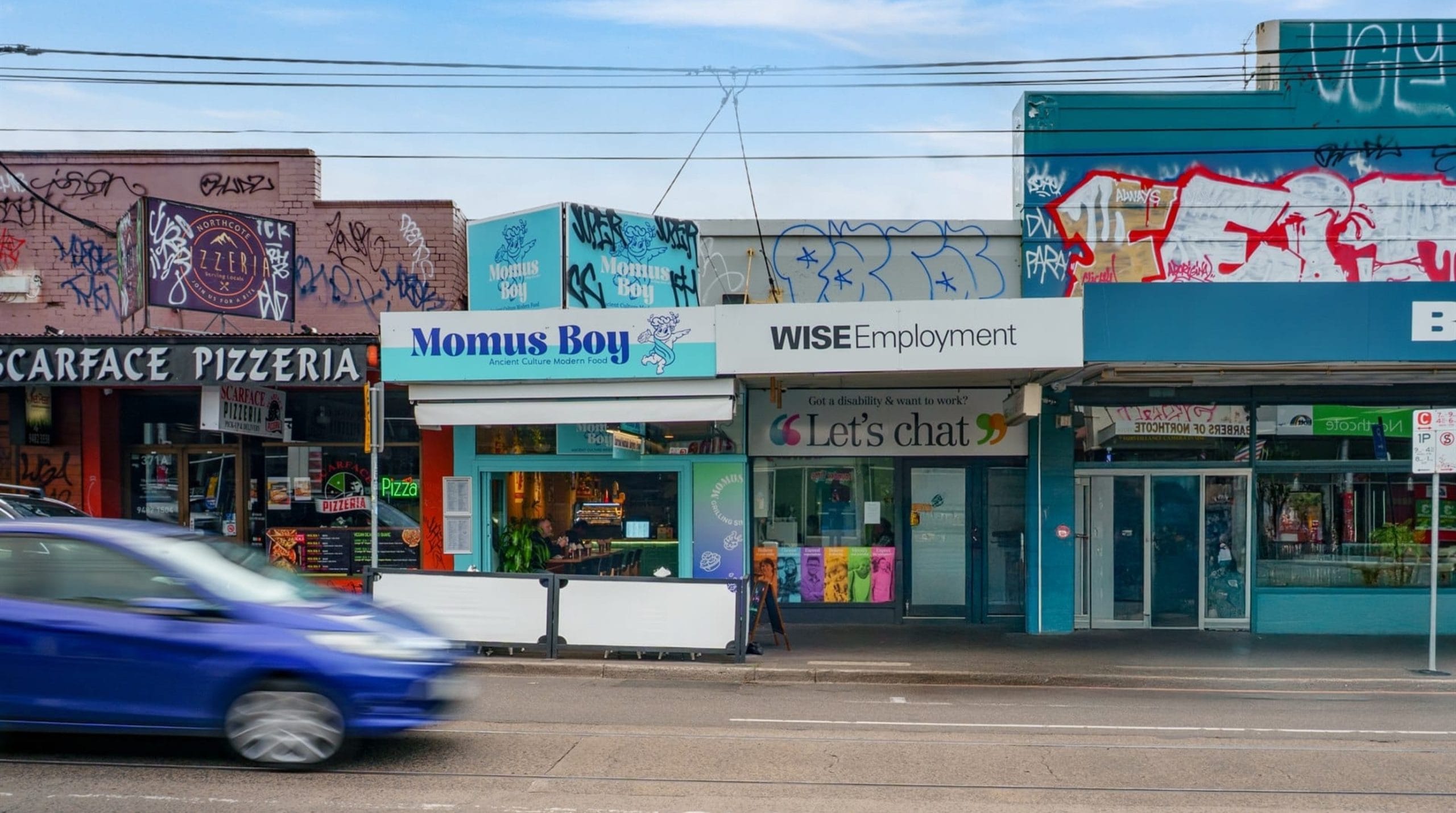
Location means something different in medical real estate compared to, say, a retail shop or a café. Here, you are not just chasing foot traffic – you are thinking about who your patients are and how they are going to get to you. When leasing medical rooms or a medical clinic, several factors need to be considered.
If you are serving elderly patients or people with chronic conditions, proximity to public transport isn’t just nice-to-have – it’s essential. Good street visibility matters too.
A clinic that people can spot from the road picks up walk-ins and stays top of mind in the community. And it’s worth researching the local demographics: a suburb with lots of young families has different healthcare needs than one with a predominantly older population. Getting this right from the start puts you in a much stronger position.
Space Layout Requirements for Clinics
A medical clinic needs to function on multiple levels at once – clinically, logistically, and in terms of patient experience. The layout has to clearly separate public and clinical zones, keep patient flow smooth, and give everyone enough room to do their job properly.
Consult rooms need to be genuinely usable – big enough for a practitioner, a patient, and often a family member too. Corridors must be wide enough for wheelchairs and walking frames. If you are looking at medical rooms for lease within a larger building, get clear on exactly what is included in your tenancy, what shared facilities are available, and who maintains them.
These details have a big impact on day-to-day operations and shouldn’t be left vague in the lease.
Infrastructure Needs: Plumbing, Electrical, and HVAC
There are various singular infrastructural demands for medical real estate, which are much different from those of general real estate, some of which are given below.
Clinical hand-washing basins are required right next to every consult and treatment room under Australian infection control standards – a standard commercial fit-out simply won’t work in a medical real estate.
Your electrical supply needs to support diagnostic equipment, autoclaves, and potentially imaging gear, so you need to know the building’s power capacity before you sign anything. And the ventilation system of a medical real estate must deliver fresh-air exchange rates far higher than those of a typical office.
In some clinical settings, you may need specific air filtration or even negative-pressure rooms. So getting a proper building services assessment done before you commit is time well spent when you are thinking of leasing medical real estate.
Accessibility Standards for Healthcare Facilities
Accessibility in healthcare isn’t just about ticking a box – it is about making sure every patient can actually use your clinic. Under the Disability Discrimination Act and the National Construction Code, healthcare facilities are held to a high standard of universal access, and both tenants and building owners share responsibility for meeting it.
When assessing a medical clinic for lease, check for step-free access throughout, accessible parking close to the entry, wide doorways, accessible bathrooms, and clear signage.
If upgrades are needed to make the building compliant, make sure the lease clearly spells out who is paying for them. This is a negotiation point, and one that is far easier to handle before you sign than after.
Lease Terms Specific to Medical Tenants
A standard commercial lease template isn’t really built with healthcare in mind, and signing one without modifications can cause real headaches. Given the capital you will likely put into fitting out a clinical space, you need lease terms that reflect that investment.
Push for a longer initial term with clear renewal options. Negotiate the landlord’s fit-out contribution, the make-good obligations at lease end, and how rent reviews work – CPI-linked reviews generally offer more certainty than open market reviews for practices working within Medicare fee structures.
Also, pay close attention to subletting provisions. If you want to bring associate practitioners or allied health providers into the space – or eventually sell the space – you will need the flexibility to do that without jumping through excessive hoops.
When it comes to leasing medical rooms, having an experienced property advisor in your corner during negotiations could make a tangible difference. At NRG Property, we know what the market looks like and what reasonable terms actually are – so that you are not in the dark.
Compliance with Healthcare and Safety Regulations
Running a clinic means operating within a framework of ongoing regulatory obligations, and your premises must support your ability to meet them. Infection control guidelines from the Australian Commission on Safety and Quality in Health Care set real requirements around surfaces, ventilation, and waste disposal.
Work health and safety laws apply to everything from slip hazards in the waiting room to how you store scheduled medicines.
Privacy is another one. Under the Privacy Act and the Australian Privacy Principles, your clinic layout needs to genuinely protect patient confidentiality – consult rooms that can actually be heard from the waiting area, or a reception desk that exposes patient details to others, aren’t just uncomfortable; they are a compliance risk. A property that can’t support these obligations isn’t worth the savings on rent.
Ready to Find the Right Space?
Renting of medical real estate has its own rules, both financially and for the patients you will be serving. At NRG Property, we specialise in helping healthcare professionals find appropriate medical clinics for lease and negotiate terms that actually work in their favour. With more than two decades of experience across Australia and internationally, we know this segment inside out.
Whether you are searching for medical rooms or a medical clinic for lease for a solo practice or planning a larger multi-tenancy clinic, we would love to have a chat. Visit us at nrgproperty.com.au and let us find you the right medical clinic or medical room for your needs.
FAQs
What is a medical-clinic-ready property?
A medical-clinic-ready property is one that is already suited for healthcare use, typically with compliant zoning, existing treatment rooms, plumbing and service, accessibility features, and approvals aligned with Australian healthcare standards. Leasing such a property for healthcare needs tends to reduce setup time and cost.
What should I look for when leasing a clinic space?
One needs to focus on zoning approval, patient accessibility, parking, fit-out potential, existing plumbing, and proximity to complementary services. In Australia, NDIS suitability and whether the space meets healthcare compliance standards are also to be considered.
How important is zoning for a medical clinic?
Zoning is very important for a medical clinic. Without correct zoning under local council regulations, one can’t legally operate a medical clinic in Australia.
What infrastructure is required for a clinic setup?
Treatment rooms with sinks, adequate electrical capacity, data cabling, disabled access, HVAC, and waiting areas, as well as infection control and privacy requirements, are essential infrastructure for a clinic set up in Australia.
How much space is needed for a medical clinic?
It depends on the services to be provided by the medical clinic concerned. Small clinics typically need 60–120 sqm, whereas larger multidisciplinary clinics may require 150 sqm+. Australian standards also require space for accessibility and patient flow.
Are there special lease terms for medical tenants?
Often there are. Medical tenants in Australia often negotiate specialised lease terms to cater to specific regulatory, structural, and operational needs. Landlords may offer longer leases to medical tenants due to fit-out costs.
What compliance requirements apply to clinic properties?
Stringent requirements around accessibility (DDA), infection control, building codes, fire safety, and privacy laws are often part of compliance requirements for clinics in Australia. Medical clinics in Australia also need to align with AHPRA guidelines and state health regulations.
How important is location for a medical clinic?
It is of critical importance. High visibility, easy access, and proximity to pharmacies or hospitals can enhance patient footfall at the clinic. In Australia, the performance of a medical clinic also depends on its proximity to transport hubs or growing suburbs.
Can I modify a leased property for use as a clinic?
Yes, you can, but you will need the concerned landlord’s consent and council approvals to do that. In Australia, such modifications must also meet healthcare compliance standards, and you may be required to reinstate the property at lease end.
-
 Back
Back
Long-Term vs Short-Term Leases: Which Is Better for Your Medical or Retail Business?
- RETURN TO NEWS
-
What Tenants Ask Most: Top FAQs in Melbourne Commercial Leasing
Next
